Aluminium windows crated for container shipping
Buying Guide · Container Loading

How many m² of aluminium windows fit in a 20ft container?

It is the first number every importer needs for the landed-cost calculation — and the number most suppliers answer vaguely. Here is the real math we use when we build a container loading plan for customers.

Quick Answer

The short version.

20GP≈ 100–150 m² of standard double-glazed casement windows
40GP≈ 200–240 m²
40HQ≈ 250–300 m²
MOQ1 × 20GP — models can be mixed inside the same container

These are planning figures for wooden-crate packing. Your exact loading plan is confirmed after the window schedule is fixed — every opening has a measured size, and the crate layout is calculated from those.

Container Basics

Inside a standard box.

20GP internal5.90 × 2.35 × 2.39 m · 33 cbm · payload ≈ 28 t
40GP internal12.03 × 2.35 × 2.39 m · 67 cbm
40HQ internal12.03 × 2.35 × 2.69 m · 76 cbm

The rated 33 cbm of a 20GP is a nominal number. Crated window units are rectangular, rigid and cannot be tilted past a safe angle, so real usable space is far lower — that is why the honest answer is a range, not one figure.

The Limiting Factor

Volume — not weight.

A common misconception is that glass weight caps the load. Run the numbers: a typical double-glazed casement window weighs 35–45 kg/m² including frame and crate share. At 150 m² that is only 6–7 tonnes — well under the 28-tonne payload of a 20GP.

What actually eats the space:

  • Crate walls and gaps — solid wood crates consume 15–25% of the volume
  • Fixed geometry — a 2.4 m-wide crate in a 2.35 m doorway cannot go in flat
  • No stacking on glass — crates stack, but only to a safe height

Weight only becomes the limit with triple glazing, thick laminate or large oversized units: a 300 kg single crate changes both the packing plan and the unloading equipment you need at the destination.

Rule of thumb: standard double-glazed windows are a volume problem; anything above 45 kg/m² per unit starts to be a weight problem too. Tell us your glass build and we will flag it early.

What Changes the Number

Five things that shrink (or grow) your m² per container.

Glass buildTriple glazing adds ~40% volume per unit → fewer m²
Unit sizeVery large fixed panels waste corner space; mid-size units pack tightest
Window typeFixed windows pack tighter than casements; doors are heavier and bulkier
Fly screens / shuttersOften shipped nested inside the window crates — nearly free space
Packing specFull crate vs. foam-only for short routes — discuss before, not after

This is why we answer every RFQ with a container loading plan attached to the quotation — you see the crate layout before you pay the deposit, not at the port.

Worked Examples

Two real-world orders.

Villa order — 120 m²

Mixed casement and fixed units, double glazing, 24 openings. Loads as one 20GP with about 10% crate headroom to spare. One container, one deposit, 20–30 days later it sails from Tianjin.

Residential project — 3,000 m²

At 130 m² per 20GP that is roughly 23 containers. Nobody ships that in one go: we phase it by building floor, matching your site installation sequence, so cash flow and crane time both stay sane.

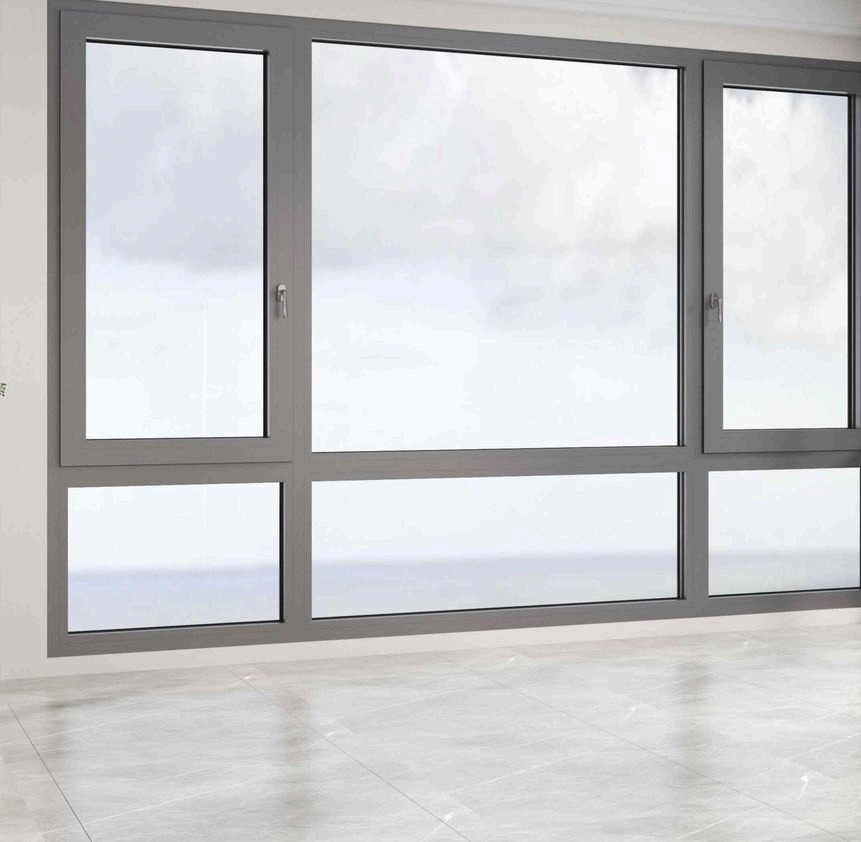
WOMUSEN aluminium windows ready for container loading
Next Step

Send your window schedule — get the loading plan back with the quote.

Opening sizes, glass build and destination port are enough to start. Within 48 hours you receive a priced quotation and a crate-by-crate container loading plan.